Security & Smart Access6 min read•February 18, 2026

The Complete Guide to Modern Institutional ID Card Security: From Holographic Overlays to 13.56 MHz RFID

How modern schools, universities, and healthcare facilities are phasing out basic paper badges in favor of solid 30-mil virgin PVC, encrypted contactless chips, and tamper-proof finishes.

PJD
Pranab Jyoti Das
Head of Credential Engineering, IDGen
Back to All Blogs
Institutional security PVC ID cards and RFID contactless credentials
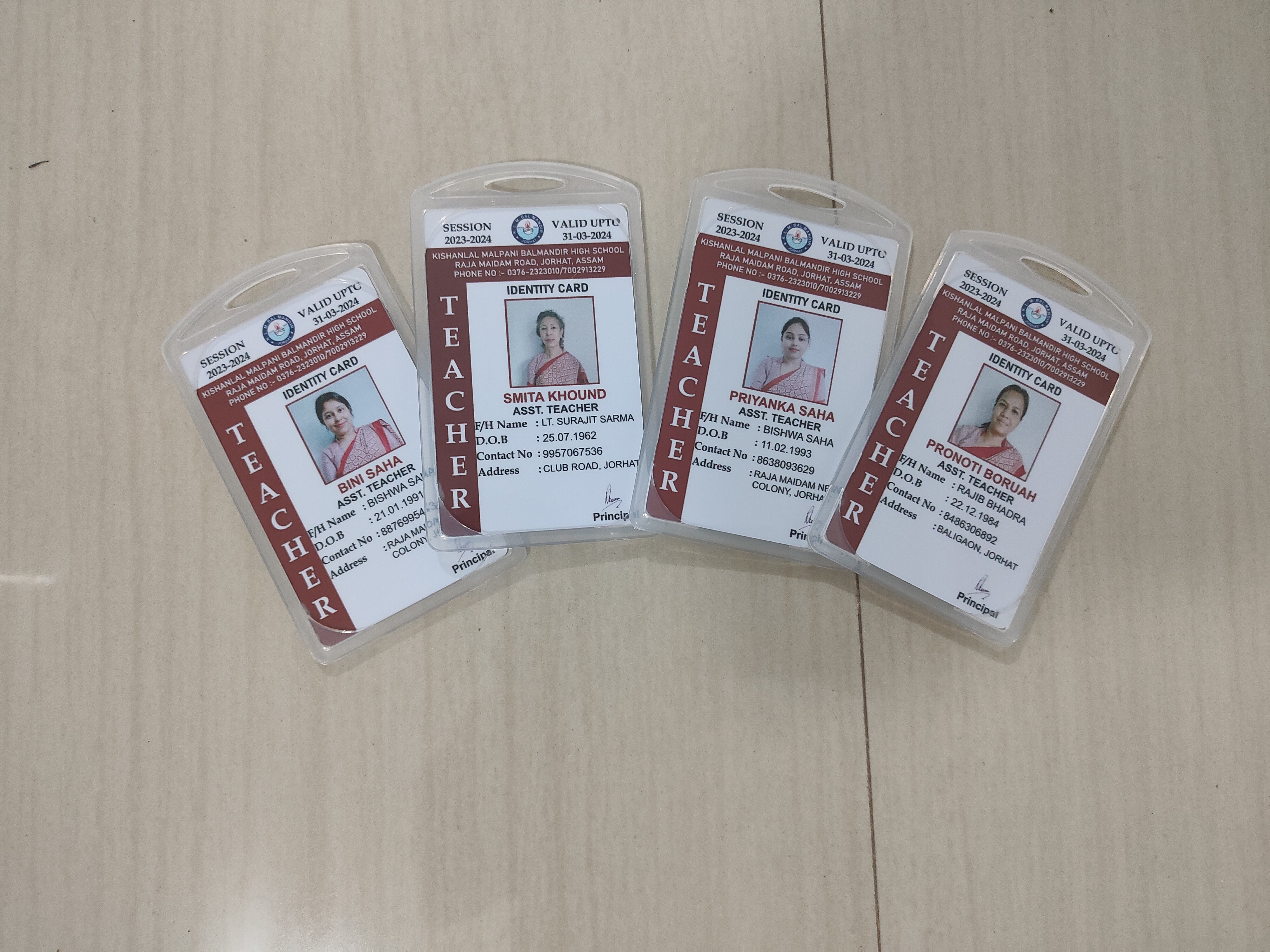
In an era of heightened institutional governance and automated turnstiles, an identification card is no longer just a photographic nametag. It is the frontline firewall for physical campus access, automated student attendance, and asset protection. Yet hundreds of institutes still issue low-grade paper cards sealed in heat-press pouches that invite effortless forgery.
Executive Summary & Takeaways
  • ✓Standard paper laminations peel within 3–6 months and can be cloned using standard office printers.
  • ✓Solid virgin PVC cards (CR80, 0.76mm) provide moisture-impermeable longevity with zero corner de-lamination.
  • ✓Combining UV subsurface print with holographic overlay shields credentials against physical scraping.
  • ✓13.56 MHz Mifare 1K encrypted contactless cards bridge campus attendance, library loans, and gate turnstiles.

1. The Hidden Risks of Paper & Cheap Laminated IDs

Traditional thermal pouch lamination introduces severe vulnerabilities. Humidity and skin oils penetrate the cut paper edges within 90 days, causing cloudy discoloration, ink bleeding, and edge splitting.

More critically, pouch laminates possess zero anti-counterfeiting features. Anyone with a mid-range photo printer can scan, alter an admission number or designation, and print a convincing counterfeit pass.

Security Risk Alert

Over 82% of campus credential breaches originate from visually duplicated low-grade laminated cards that gatekeepers cannot distinguish at a distance.

2. Core Physical Security: 30-Mil Virgin PVC

The international benchmark for institutional identity is ISO/IEC 7810 ID-1 (CR-80), measuring exactly 85.60 mm × 53.98 mm with a calibrated thickness of 30 Mil (0.76 mm).

At IDGen, our cards are injection-molded from 100% virgin polyvinyl chloride. Unlike recycled PVC blends that snap in winter temperatures, virgin PVC provides exceptional tensile elasticity, flat dimensional stability, and crisp mirror-gloss or satin matte UV-cured surfaces.

Technical Specifications Reference
Standard FormatCR-80 (ISO 7810 Spec)
Thickness30 Mil / 0.76 mm solid core
Print TechnologyThermal Retransfer 300+ DPI
Surface FinishUV Scratch Shield Gloss / Matte

3. Holographic Overlays & Micro-Text Printing

Visual authentication allows security personnel to verify credentials at a glance under ambient light. We integrate dual-layer security elements that cannot be replicated by commercial flatbed printers.

Custom holographic metallic foils refract varying optical spectrums at tilted angles, while 0.5pt micro-text borders integrated into the guilloche background patterns appear as solid lines to the naked eye but resolve into razor-sharp institutional mottos under a 10x magnifier.

4. Transitioning to 13.56 MHz Mifare & NFC Chips

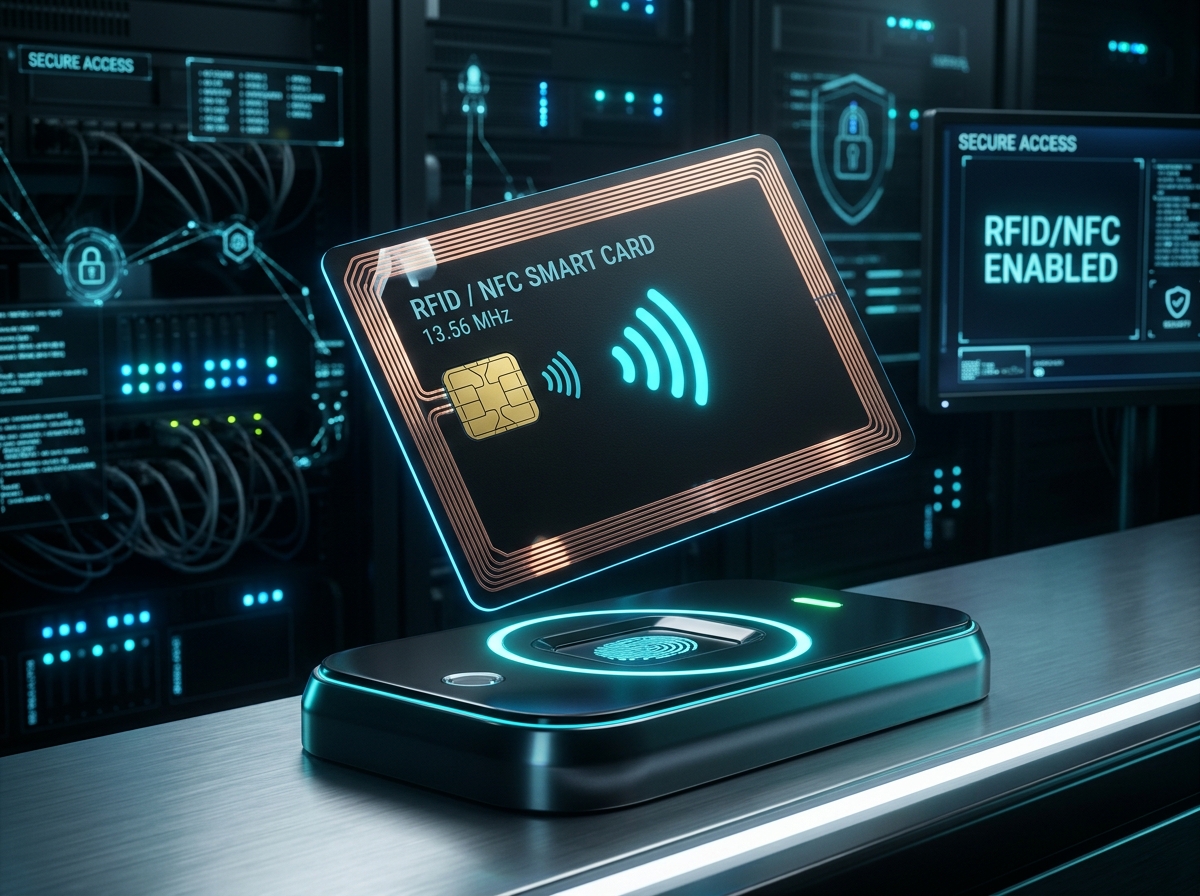
For modern campuses operating biometric speed gates, library tracking, and cashless cafeterias, embedding a contactless RFID antenna between the PVC core layers is the gold standard.

While legacy 125 kHz Proximity cards broadcast an unencrypted 26-bit facility code, modern 13.56 MHz Mifare 1K (ISO 14443A) chips feature 16 independent password-protected sectors. Each sector can be dedicated to distinct applications — turnstiles, attendance clocks, and automated barrier gates.

Engineering Tip

When selecting RFID cards, always confirm reader sensor frequency with your hardware vendor. IDGen provides sample credential testing packs prior to full production runs.

5. IDGen's Guwahati Cleanroom Quality Standard

Every IDGen credential batch undergoes a rigorous 5-stage optical quality protocol in our centralized Guwahati cleanroom. Print registration, barcode readability, chip resonant frequency, and edge lamination are inspected with zero tolerance for color drift.

With over a decade of regional experience across Assam and the Northeast, we deliver institutional security that withstands years of daily campus wear.

Related Topic Tags
#CR80 PVC#RFID / NFC#Campus Security#Tamper Proofing#Retransfer Print
PJD
Published By Credential Specialist
Pranab Jyoti Das
Head of Credential Engineering, IDGen

Oversees cleanroom variable-data production, ultrasonic lanyard fabrication, and automated RFID access testing for schools, universities, and enterprise workforces across Northeast India.

Continue Reading

Related Technical Insights

Have an upcoming campus or corporate identity requirement?

From student ID cards and ultrasonic lanyards to 13.56 MHz RFID turnstiles, get direct factory quotes and custom digital proofs tailored to your roster.

WhatsAppCall Now